
Share this article:
Approx. 20 min read
In January 2026, I made the decision to ditch music streaming and build up a music library that I own. 300+ CDs later, I wanted to share a little bit about what that journey has been like for me and my thoughts on ownership.
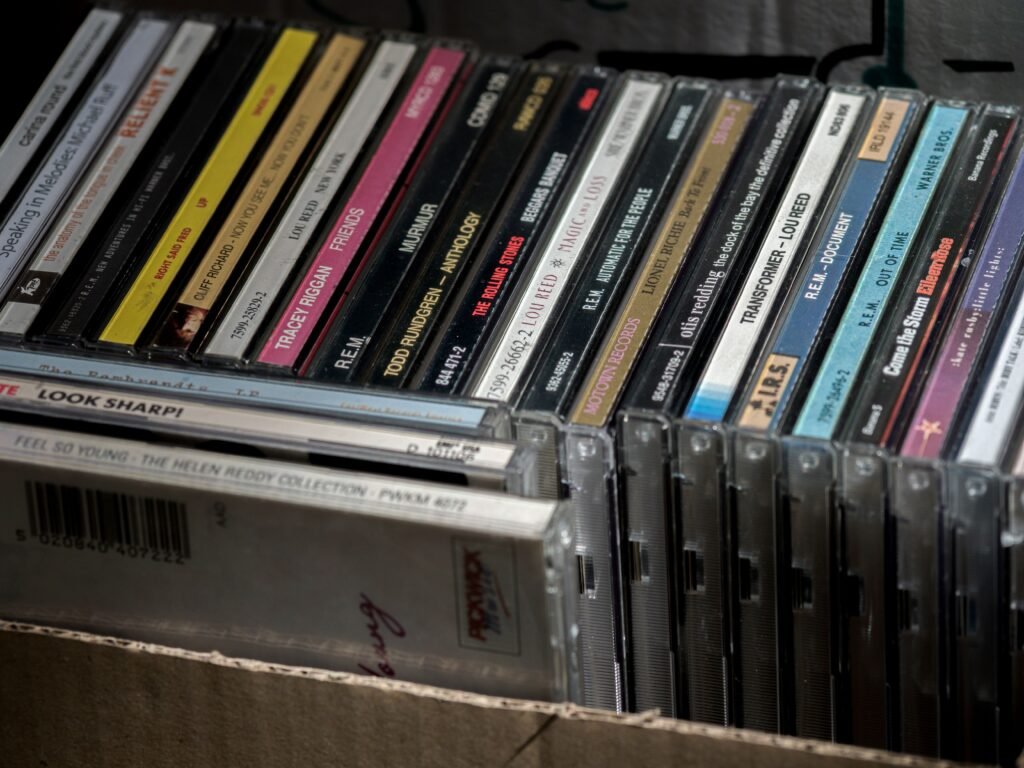
What made me do this?
Brett Jordan, pexels.com
It might seem quite daunting to just suddenly decide to ditch streaming, as we have become so used to the convenience of it. Being able to instantly access music from any time period, genre, or part of the world is quite incredible and something that none of us could have ever imagined 30 years ago. The reality with that, though, is that when we are given the choice to listen to virtually any music ever made, we don’t. We are all much more likely to listen to the same few things we always listen to all the time and even then, there are likely patches in artist’s discographies that we’ve never listened to. In our attention-economy, unlimited access to everything doesn’t expand our consumption; it leads to us scrolling for hours on end, trying to find the right piece of ‘content’ to consume, until we give up and either consume the thing we know, or we don’t listen to anything at all. This is what has become known online as ‘Choice Paralysis’ and it is indicative of our instant-access, digital streaming-service age; be it with Spotify, Netflix, or gaming subscriptions. Just because you can instantly stream Philosophy of the World by the Shaggs, doesn’t mean you will. I believe that instant access cheapens the value of all art into ‘content’ and while there is inherent value in being able to access these things and you can use Spotify to make yourself explore certain music, you have to actively do that in spite of the algorithm, not with it.
Streaming is bad to artists (and the world)
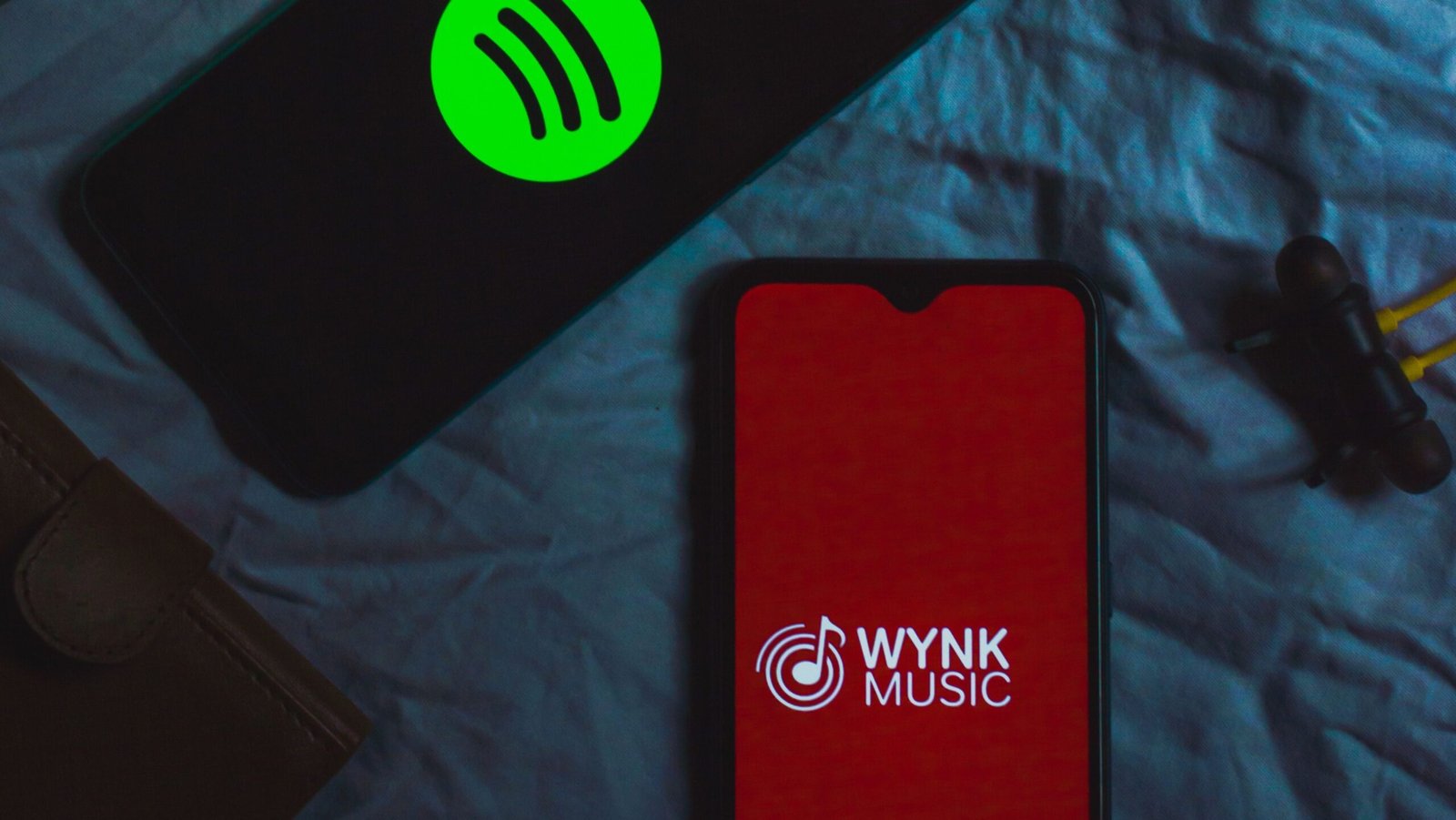
walk.snap, pexels.com
There are also the ethical dilemmas that come with Spotify in particular, and also music streaming generally. It is well documented how streaming sites, particularly Spotify treats artists. For every 1,000 plays of a song, the artist receives $0.000001, meanwhile CEO Daniel Ek comfortably enjoys his billions, when he isn’t investing his immense fortune on funding AI weaponry.
I only see the devaluing of art into ‘content’ for the wealthiest people on earth, to get worse with time. Spotify is more than happy with AI generated slop infesting playlists and when the billionaires that own these services can team up with the billionaires that run record labels, they’ll happily turn these sites into services where you ‘remix’ artist’s work using AI without their consent or monetary compensation. This isn’t a hypothetical either; just look at the recent agreement between UMG and Spotify as an example of this in action.
You Owe Them Nothing!
In return for all of this, when you cancel your subscription, you come home with nothing. You pay a monthly subscription to essentially rent access to your own music library and this is something these services try to hold you at ransom for, if you choose to opt out. The bright future envisioned by tech oligarchs is for you to be renting a house with plain white walls; no pictures, no books, no ornaments. Just a bunch of rectangle screens where you access various content that you rent monthly, just like your room.
As I said before, unlimited music access would have been unimaginable 30 years ago, but so would the idea of paying a monthly subscription to own none of it. The magic thing that these services don’t like you to know is that this is entirely your choice and at any moment, you can choose to pull the plug and remove the strangle hold they have on you. Spotify is trash and any value you think there might be in services like it, is all PR by soulless billionaires.
Screw the devaluing of all human art. Screw paying artists peanuts. Screw stealing all art for AI slop. And especially screw all of this being used to fund tech to kill people overseas.
Where do I purchase music?
Lukman Hamkin, pexels.com
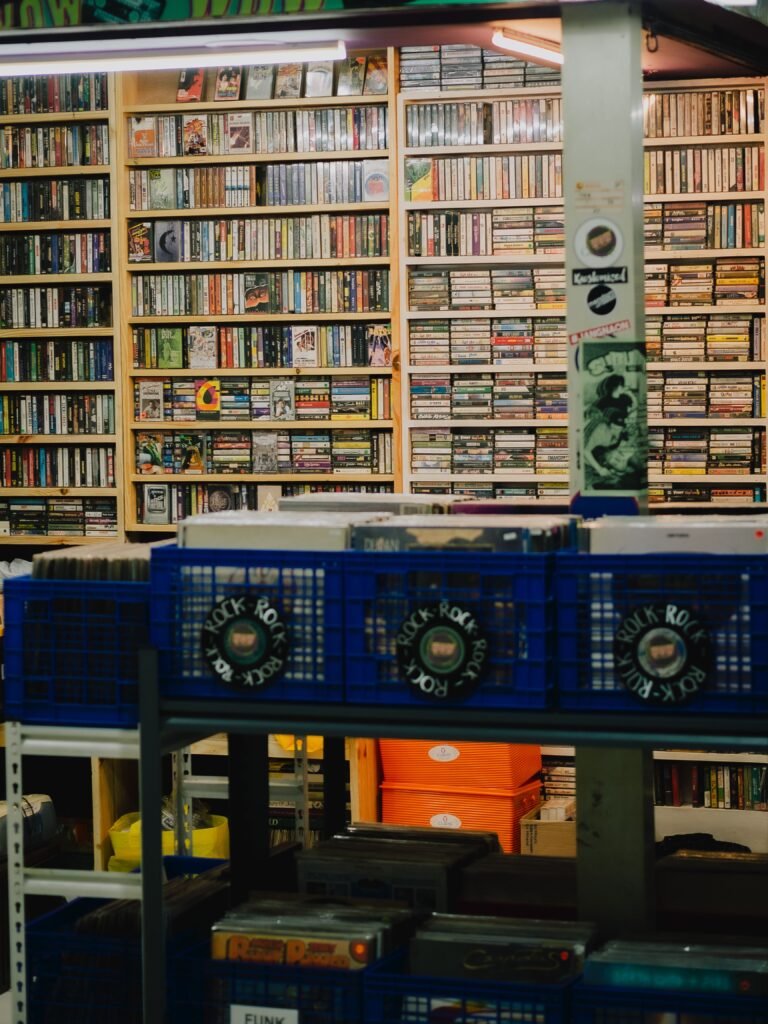
Once I made the choice to ditch streaming, I went to my local record stores and charity shops and looked through their CD aisles. Years ago, vinyl was my medium of choice when it came to physical media and while that is still the more popular medium out of the 2, prices for vinyl have skyrocketed to impractical levels. It is also an investment in space and getting the right turntable. It can be a rewarding experience and there is a charm and warmth to listening to a vinyl that you won’t get anywhere else, but I do like how easy CDs are just generally. For one, they are insanely cheap. They are also very easy to rip digitally, and the audio quality is honestly just very good. Below are my main sources for buying music.
Charity shops
Charity shops are probably the cheapest way of buying CDs. Depending on which charity shop you go to, it’ll range from a couple pounds to 20p per CD. A lot of charity shops will do deals where you can end up bagging 5 CDs for £1. That doesn’t always mean you’ll find 5 CDs you actually want. You will very quickly become aware of what I like to call the “charity shop classics” that you will see everywhere. Expect to often leave empty-handed, but when you find the diamonds in the rough, it always makes it worth it. When the stakes are so low, you will also end up giving some albums a chance that you might not always, if they were a couple of pounds. For example, I once came across the 1993 album Transmissions From the Satellite Heart by The Flaming Lips to make 5 CDs for £1. I had never listened to the album before and ended up falling in love with it and it’s now one of my favourite finds and that was 20p in a charity shop. Oxfam is on a league of its own as genuinely being a great place for CDs. Expect CDs to range between £3-£10 on average, but at least from my experience, they seem to always replace cracked CD cases with new ones and consistently have a great selection.
Record Stores
Prices for CDs at record stores are going to vary heavily. Not all record stores even have CDs, but from my experience, the demand seems to have grown enough where most stores will stock them up. Check out your local record stores and see what prices look like. If you happen to live near Cardiff, it is an excellent spot for record stores. Talking specifically for 2nd hand record stores, the aptly named The Record Shop on Albany Road is heavily stocked with CDs and have a great selection and price range. Kelly’s Records in Cardiff Market has built up their CD collection in recent years and while not the cheapest, is very good if you’re looking for a specific CD, but the 1st floor record store in Jacob’s Antiques is the absolute best place to be for selection and prices; I’ve consistently found some amazing albums there. If you find yourself in Newport, go to Kriminal Records where they sell all CDs at a flat rate of £4 each. Instead of selling each CD individually, they believe it simplifies the process and guarantees that the albums people want will sell and they are 100% right. I think you’re also more likely to spend more money if you know how much each CD is.
New CDs
For new releases, HMV in the UK are probably the most obvious place to get new releases, but there are also independent record stores that sell the latest releases; Cardiff-specifically, the oldest record store in the world Spiller’s Records is my go-to place for brand new CDs and is consistently cheaper than HMV. That’s not to say I’m against HMV; I am glad they still have a presence on the UK highstreet and are one of the remaining bastions of brand new physical media in a major mainstream store.
Online
If you want to build up a collection of classic CDs for potentially quite cheap and in good condition, Discogs is a great resource. It also tops as a useful database for specific releases and editions; virtually every edition of every commercially released CD ever is catalogued. For someone in the UK, I do have to filter out mainland European sellers, as shipping from the EU is not the cheapest. A lot of CDs can be very cheap individually, but I would recommend buying a few cheap CDs at the same postage cost to make it worthwhile. I don’t always find it the cheapest place, though. I often find eBay listings for cheaper or free postage. Musicmagpie also does deals on their store where you can buy 4 CDs for £5, but it can feel like the world’s biggest online charity shop and requires adding a bunch of filters and scrolling through hundreds of CDs to find the releases you want. My biggest gripe with Musicmagpie is they don’t care about the way they post their CDs and I have sometimes found the CD cases have cracked in the post, because of the way they’ve posted them. They use the cheapest envelopes they can to keep the postage cheap, so you do sort of get what you pay for. I still buy from them though.
Bandcamp – the good alternative to streaming
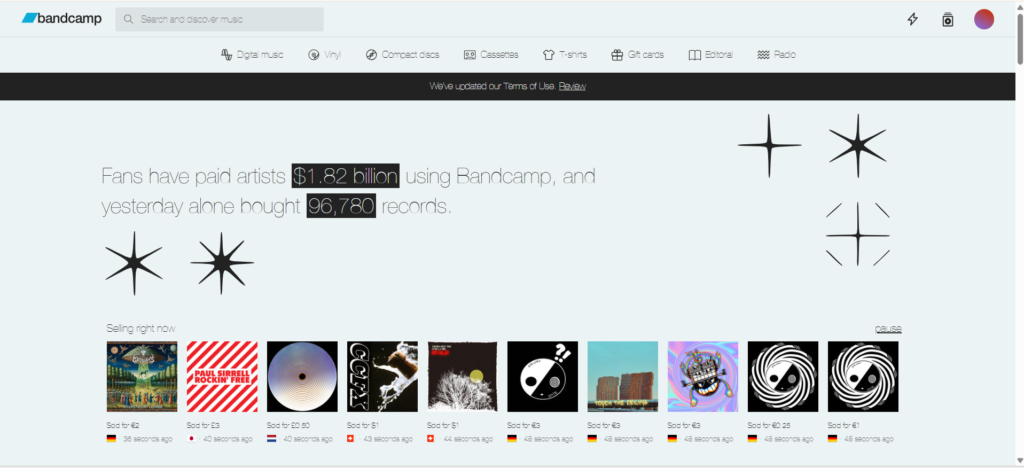
You can buy physical releases from the artist’s store on Bandcamp, but primarily, I use it to buy albums that I just want in my library. Compared to all other streaming services, Bandcamp pays their artists the most. According to their website, as of June 2026, 85% of the profits go to the artists who have made up to $5,000, which goes up to 90% for bigger artists; a better share than the 0.0000000000000001% of sales they receive on Spotify: https://get.bandcamp.help/en/articles/15263193-what-are-bandcamp-s-fees
Bandcamp only features indie artists or indie labels, but with that exception aside, it has an excellent catalogue of music from every genre and takes all the good things from other streaming services without any of the bad. In contrast with other streaming services, Bandcamp also has a strict no generative AI policy, meaning you won’t be inflicted with any garbage slop. Many artists will let you name your price for their entire discography and you have the chance to listen through most albums for free before deciding whether or not you want to purchase them. When you purchase an album from Bandcamp, you are purchasing a digital copy of that album that you own forever and can back up to multiple devices and drives. I now have multiple hard drives with my entire ripped CD and bandcamp collection.
Conclusion
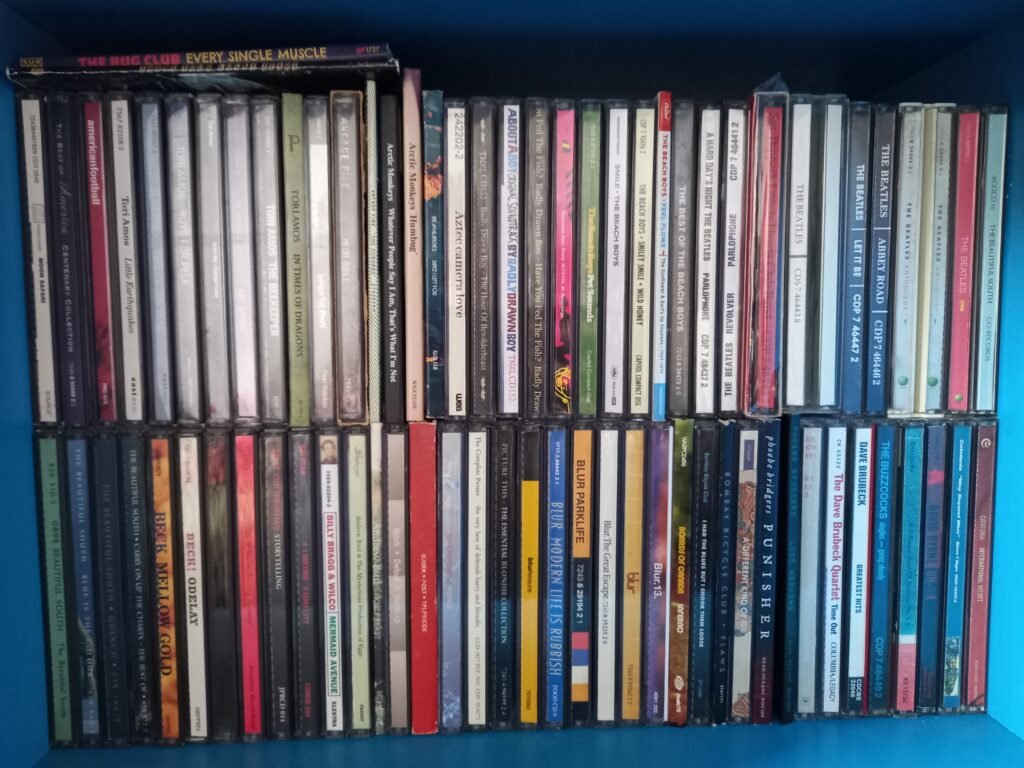
Without breaking the bank, I have been able to build a music collection that I own within the year of 2026 and in the process, have ended up discovering more music than I ever have before. I am not alone in doing this either, as more and more Gen-Z are rediscovering physical media and going out of their way to purchase CDs again. I think there are a lot of reasons for this and not just for the reasons I’ve mentioned above. CDs are becoming a cheaper alternative to vinyl and I have seen first-hand how the record stores I’ve known for a good while that used to have a small shelf or box of CDs, are now having to share shelf space between vinyls and CDs.
I have more to say about physical media and why there is a demand for it in 2026, but I will leave that for future blogs. Leaving the convenience of streaming forces me to spend more time discovering music and I have had a lot of fun doing so. In a future blog, I would like to talk about the many ways I’ve discovered new music both online and in real-life. In another future blog, I do want to talk about the wider culture around ownership and physical media and some of the pros and cons that exist within it. But for now, in no particular order, here are 5 of my favourite CDs I’ve picked up on this journey so far. These aren’t necessarily all my favourite albums, but the ones that I listened to for the first time on CD and that have a story behind them.
Tigermilk – Belle and Sebastian (1996)
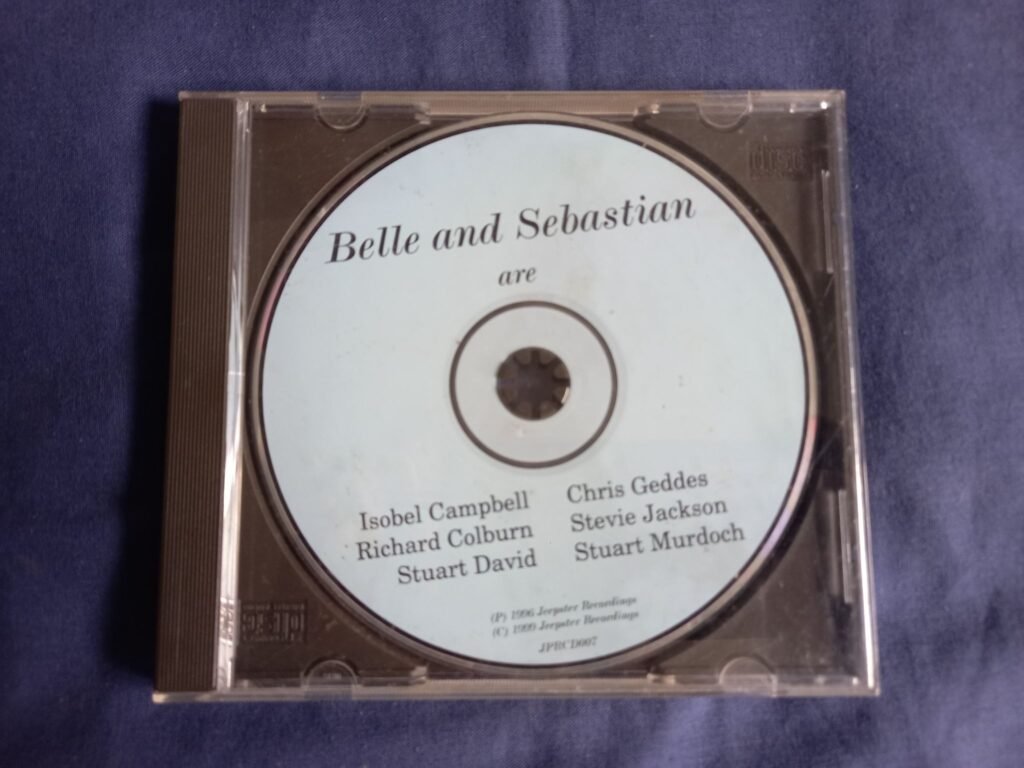
I found this copy of the album in a charity shop in Cornwall. Originally, it was in the case for Belle and Sebastian’s follow-up album also from 1996 If You’re Feeling Sinister, which I was excited to pick up, as it was one I had often heard about on many must-have album lists. When I played it, I found out it was in fact their debut Tigermilk which was put in the wrong case. Tigermilk is the less talked about album and I was initially quite disappointed it wasn’t what I thought it was (so much so, I swapped it out with a blank case, because it annoyed me). After giving it some time, I’ve grown to really enjoy Tigermilk for what it is, which is a twee-pop gem in its own right and worth a listen. I might even like it more than If You’re Feeling Sinister.
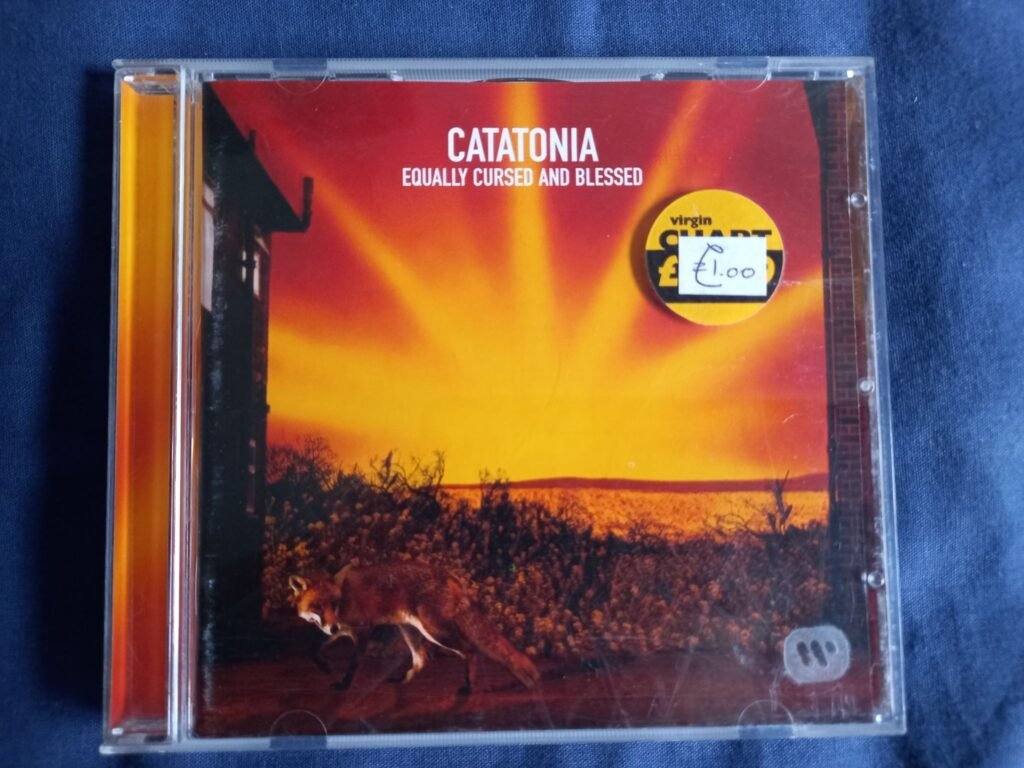
Equally Cursed and Blessed – Catatonia (1999)
A little bit of Cool Cymru. Like the previous album, this is an album that very much exists in the shadow of another from the band, 1998’s International Velvet. I picked up this more overlooked follow-up without having any expectations going into it and I instantly fell in love with it. The opening track “Dead From The Waist Down” blew me away with the gorgeous orchestration and Cerys Matthews’ stellar vocals. Other highlights include “Londinium” and “She’s A Millionaire”. A really enjoyable, eclectic album that stays consistently good and despite being just a year after International Velvet, it is very distinct from it. I might get in trouble for saying this, but both this and their debut Way Beyond Blue are my favourite Catatonia albums, ahead of International Velvet.
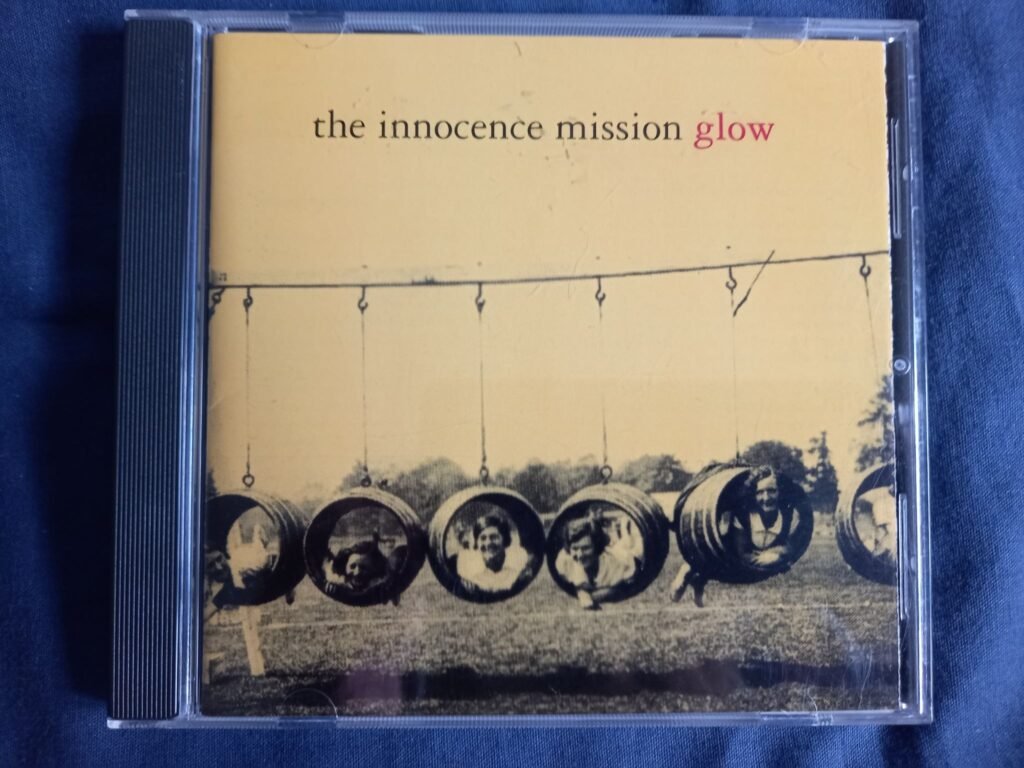
Glow – The Innocence Mission (1995)
I found out about this album and band entirely from a YouTube video Music Genres but they get increasingly rarer and a couple seconds of the song “Brave” was used to represent the genre ‘Folk-pop’. I thought it sounded really nice so I checked out a couple tracks from the album and very quickly decided to buy a cheap copy off eBay on a whim. It didn’t disappoint. If you like 90s jangle-pop like The Sundays and The Cranberries meets folk twee-pop, check it out!
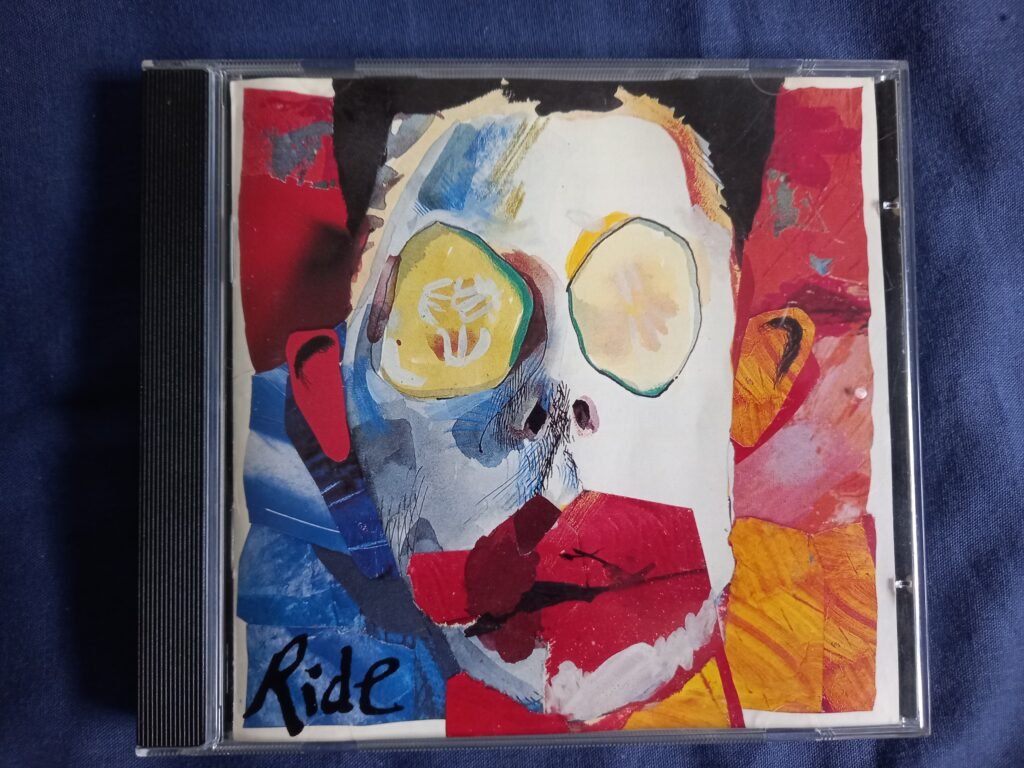
Going Blank Again – Ride (1992)
The only things I knew about this album before buying it was that I knew it was considered shoegaze and that I loved the album cover. It would end up becoming one of my all-time favourites. It has all the noisy distortion and hazy sound you could want out of an early-90s shoegaze album and also just some really catchy upbeat moments like with the track “Twisterella”. Just overall great vibes.
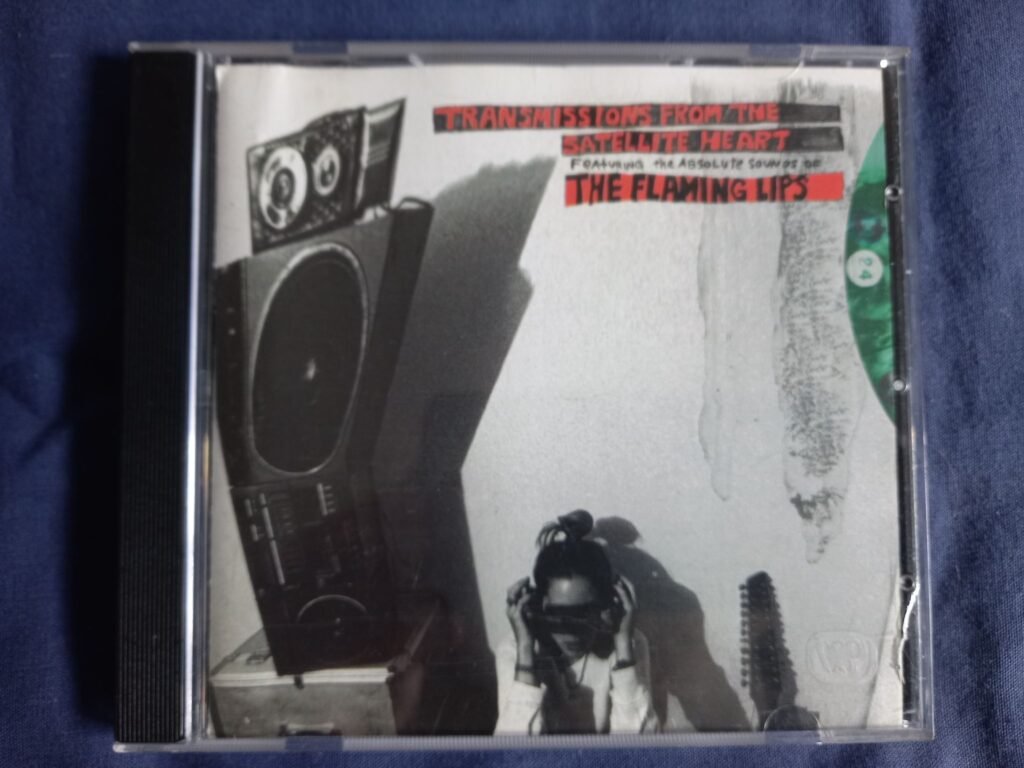
Transmissions From The Satellite Heart – The Flaming Lips (1993)
I already mentioned finding this CD in a charity shop for 20p and how it ended up becoming one of my all-time favourite albums, but I can think of no better way to cap this conversation off by saying that if all I got out of collecting CDs was for finding albums like this, it would have all been worth it. I don’t imagine I would have come across this otherwise. This is the same Flaming Lips that would go on to great acclaim and recognition with the likes of The Soft Bulletin (1999) and Yoshimi Battles the Pink Robots (2002). I love what they ended up becoming, but this era is also worth checking out. This is the band’s second album with Warner Bros. and something that I love about it is how they clearly used the bigger budget and resources of a major music label to make this freaky, silly album. It’s goofy and uncool, but proud to be so and I really adore that. I’m not exactly much of a music critic and don’t have too much profound to say about why I like the albums and music I do, but the biggest compliment I could ever give its lead single “She Don’t Use Jelly” is that it’s the most Shrek-sounding song that never featured on the soundtrack of Shrek. Also, I didn’t intend for this list to only be 90s albums, but that just sort of happened.

Thanks for reading my blog. If you enjoyed this and would like to read more, sign-up to my monthly newsletter, where I share all my blogs.